Hill of Tara Lecture Series - July 2010
Lecture Series 2010 at the Hill of Tara Visitors Centre
In the Summer of 1210, King John of England visited Ireland.
Wednesday July 7th @ 8pm
Europe c 1210: Kings, Popes and Heretics
by Margaret Murphy NUIM
Wednesday July 14th @ 8pm
Ireland c 1210
by John Bradley NUIM
Wednesday July 21st @ 8pm
Meath c 1210
by Gillian Kenny UCD
Wednesday July 28th @ 8pm
Tara c 1210: 'a soil gnawed by ploughs'
by Michael Potterton, Editor, Four Courts Press
Hill of Tara Visitor Centre
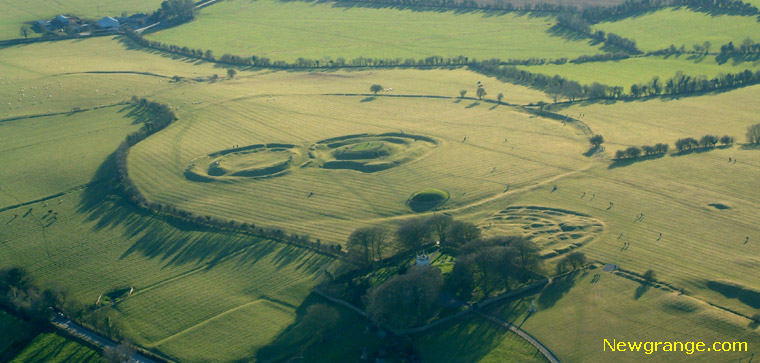 The Tara Visitors Centre located in the former Church on the Hill of Tara.
The Hill of Tara
The visitor centre on the Hill of Tara occupies the former St Patrick's Church, a fitting base from which to explore a site that blends prehistoric ritual with centuries of national memory. The Office of Public Works cares for the monuments, and guided walks explain earthworks that are easy to overlook in open pasture.
Tara's fame rests on medieval claims that Ireland's High Kings ruled from Teamhair. Archaeology complicates that picture, yet the ridge remains essential: passage tombs, royal enclosures, and linear earthworks show deliberate construction across more than four thousand years of use.
The Mound of the Hostages
Dumha na nGiall is the oldest monument on the hill, a passage tomb of about 3500 BCE linked in date to the great tombs at Newgrange, Knowth and Dowth. Excavation recovered Bronze Age burials and artefacts, including finds that connect Tara to wider trade and craft networks in prehistoric Ireland.
The Lia Fáil
The Lia Fáil on the Forrad is the inauguration stone of Irish legend, said to have been brought from Failias by the Tuatha Dé Danann. When a rightful king stood upon it, the stone was believed to cry out. It was moved to its current spot in the nineteenth century, near memorials to the dead of 1798.
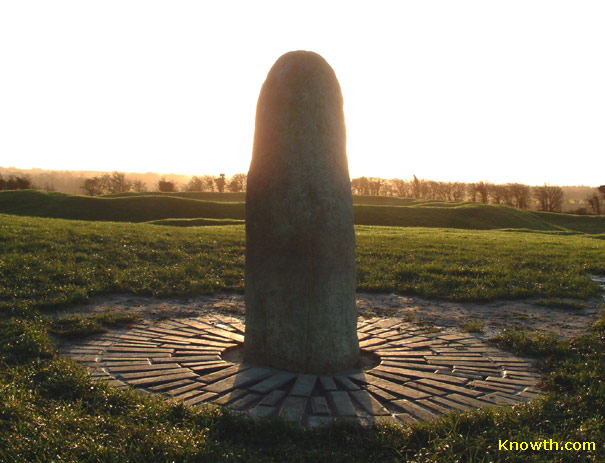 Lia Fáil (Stone of Destiny) on the Hill of Tara.
Rath of the Synods
This circular enclosure with twin banks may take its name from church councils held in the area, but the earthwork predates recorded history. It belongs to the formal layout of Tara's summit monuments.
Teach Chormaic
Teach Chormaic carries the name of Cormac mac Airt, a king hero of early Irish literature. The ring monument on the ground is modest compared with the stories told about his feasts and judgments, yet the name anchors myth to a walkable place.
Ráith na Ríogh
Ráith na Ríg, the Royal Enclosure, surrounds the Forrad and the Mound of the Hostages. Paired banks define a sacred core of the hill where inauguration traditions, both real and imagined, concentrated public ritual for centuries.
The Book of Tara
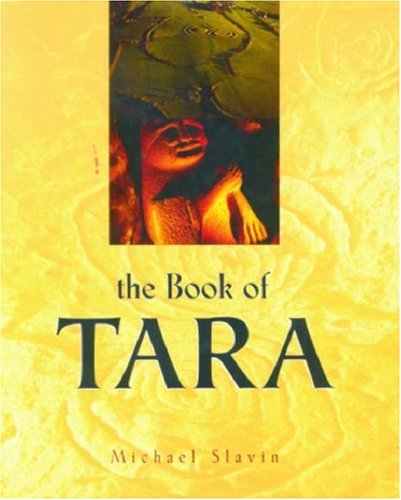
The Book of Tara by Michael Slavin is written by a local historian with a lifelong connection to the hill. It examines why the Hill of Tara became Ireland's symbolic capital, weaving together archaeology, early literature, and the legends that still shape how visitors understand the ridge.
Slavin guides the reader through the major monuments on the summit, from the Neolithic Mound of the Hostages to the royal enclosures, the Lia Fáil and the associations with St Patrick and the High Kings. He also traces Tara's later history, including its place in political memory and the events of 1798.
For anyone planning a visit to Tara, the book offers a readable companion to the landscape itself, a blend of factual account and affection for one of the most evocative sites in the Boyne Valley.
Purchase at Amazon.com or Amazon.co.uk