The Boyne Currach
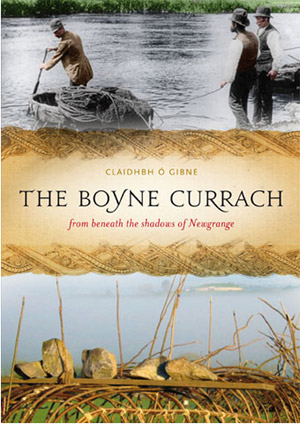
The Boyne Currach from beneath the shadows of Newgrange by Claidhbh Ó Gibne tells the fascinating story of a remarkable vessel with prehistoric origins: the Boyne currach. Imbued with stories from around the globe, it is written in an energetic and accessible style, reflecting the author's love for these boats. It is a pioneering piece of work that throws new light on an ancient Irish craft.
An overview of the history of the Boyne currach and related skin boats is followed by a how-to guide with instructions on how to build your own currach, including the materials needed, where to source them and how to master the age-old techniques of weaving and binding. With so few currach-makers left, the author hopes to preserve this craft for generations to come.
The final section of the book details the Newgrange Currach Project, a unique endeavour to recreate the currach used by the builders of the Newgrange passage tombs to transport stones from far away. At 34ft in length, this wicker currach represents an incredible feat of boat engineering and a piece of living history. On completion, it will embark on a journey mirroring that believed to have been taken by the Neolithic tomb-builders, travelling as far south as Spain.
Purchase at Amazon.com or Amazon.co.uk
The Boyne Currach Book
- Written by a master craftsman, who brings his unique experiences and skills to bear as he explains the traditional craft of wicker currach-making.
- Copious colour and black & white images throughout, which, taken together, comprise a visual history of the River Boyne currachs and the people who made their living from and in them.
- Includes a 'How-to' section, providing an important record for future craftsmen and women.
- Contains an overview of the history of the currach, including the currach folk, the Boyne and the role of the currach in international trade.
- Features fascinating details of the Newgrange Currach, the only vessel of its kind currently in existence.
Claidhbh Ó Gibne is an artist and currach-maker whose studio and home are located among the remnants of countless monuments in the Brú na Bóinne World Heritage Park. The Boyne Currach Centre opened in 1997, is the culmination of his life's work, and it is here that Claidhbh has produced different prototypes of sea currachs, made from tanned cowhides and hazel baskets. He is currently working on a 34ft craft of a style and sturdiness that could have brought some of the earliest settlers to Ireland and transported the giant stones to build the great passage tomb at Newgrange, which overlooks Claidhbh's home and workshop at Donore, Co. Meath.
"Anyone who comes into contact with Claidhbh Ó Gibne at his cottage on the River Boyne is unlikely to ever forget the experience. The force of his tidal wave of passion is enough to up-end you ... I know that those who read this book will not fail to become instant advocates of the Boyne currach." Dr Geraldine Stout
Claidhbh Ó Gibne currach-maker
The Boyne Currach Heritage Group
The Boyne Currach Heritage Group is a not-for-profit community organisation founded in 1997, bringing together people with a wide range of traditional skills and interests. Many are drawn to the currach for its direct connection to Ireland’s past and its association with the Boyne Valley’s 5,000 year old heritage, experienced through the river itself. Others are attracted by the opportunity to meet like-minded individuals, including Irish speakers, and to take part in communal activities such as weaving large basket boats or managing hazel woodland planted in the valley. The group has actively promoted the ancient tradition of wicker boat building through public events and has participated in a variety of parades showcasing their work.
European context
The tradition of wicker boat building also reflects a wider European context, offering an opportunity to explore historical connections across the continent while maintaining a strong sense of local identity. Wicker vessels are widely recognised as having played an important role in early human movement and settlement along the Atlantic coast of north-western Europe.
Tradition
The Boyne Currach Centre focuses on conserving and developing the tradition of wicker boat building in the Boyne Valley, alongside associated heritage skills such as oak bark tanning, hazel rod weaving and flint knapping. Although traditional wicker currachs ceased to be used for salmon fishing in the early twentieth century, they remain an important part of the region’s cultural heritage. Through experimental reconstruction using tools and techniques believed to have been available 5,000 years ago, the project helps to illustrate aspects of Neolithic life and deepen understanding of Ireland’s unique cultural legacy.