Tara Lecture Series 2008
Hill of Tara Visitor Centre
Wednesdays in July at 8.00pm
Celebrating 200 Years of Thomas Moore's Melodies
Wednesday July 9th
The Harp that Once
Thomas Moore and his Irish Melodies
Mary O'Donnell
Irish World Academy of Music and Dance, University of Limerick
Wednesday July 16th
The History of the Harp as an Irish Symbol
Teresa O'Donnell
Wednesday July 23rd
The Harp in Irish Mythology and Folklore
Miceal Ross
Storyteller and Folklorist - An Saor Ollscoil, Dublin
Wednesday July 30th
A Musical History of the Irish Harp
Mary O Donnell
Irish World Academy of Music and Dance, University of Limerick
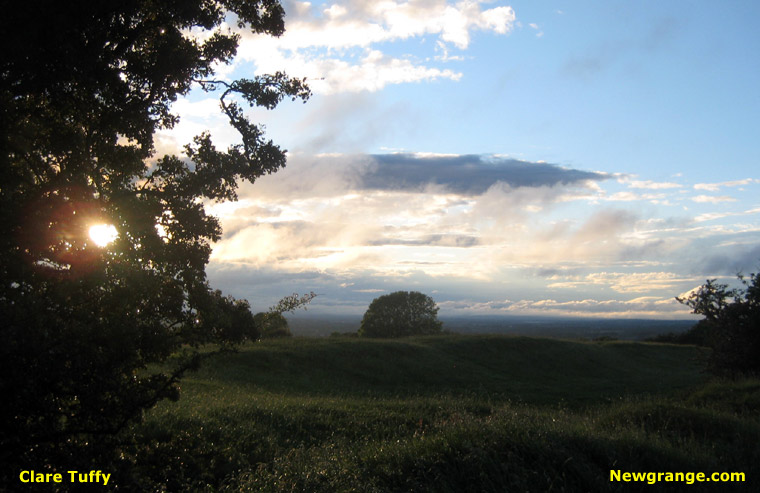 Summer Solstice Sunset on the Hill of Tara - 21st June 2008.
The Hill of Tara
Rising above the Meath countryside, the Hill of Tara (Teamhair in Irish) is one of the best-known ancient landscapes in Ireland. Archaeological work suggests ritual activity here stretches back more than four thousand years, long before medieval writers described it as the seat of the High Kings.
Early Irish literature links Tara with the Tuatha Dé Danann and with kingship rites that gave the hill a lasting place in national memory. Today the summit combines Neolithic tombs, Iron Age earthworks, and later historical associations in a single open-air monument managed for public access. A fuller overview is available at Knowth.com.
The Mound of the Hostages
Known in Irish as Dumha na nGiall, this passage tomb is the earliest built feature on the hill, dating to about 3500 BCE. Its short passage aligns with sunrise around Samhain and Imbolc, echoing the solar interest seen at the great tombs of the Boyne Valley: Newgrange, Knowth and Dowth. Bronze Age cremations were later placed in the mound, showing how Tara remained sacred across millennia.
The Lia Fáil
The Stone of Destiny stands on the Forrad, the inauguration mound within the Royal Enclosure. Myth credits the Tuatha Dé Danann with bringing the Lia Fáil from the otherworld city of Failias; medieval tales say it cried out when touched by the rightful king. The stone now visible was moved to its present position in the nineteenth century. Some researchers note that early texts may place the original Lia Fáil elsewhere on the hill.
Rath of the Synods
This double-banked enclosure takes its English name from church councils recorded in medieval sources, yet the earthwork itself is prehistoric. Concentric banks and ditches mark it out as a formal gathering place, part of a wider pattern of ritual enclosures on the ridge.
Teach Chormaic
Teach Chormaic (Cormac's House) is named for the legendary king Cormac mac Airt, said in saga literature to have ruled wisely from Tara. No early building survives; the monument is an earthwork ring whose story belongs as much to literature as to excavated archaeology.
Ráith na Ríogh
Ráith na Ríg, the Royal Enclosure, is a large bivallate ring that frames the Forrad and the Mound of the Hostages. Geophysical survey has revealed a ditched pit circle and other buried features, suggesting the enclosure functioned as a liminal space for inauguration and assembly rather than as a fortified residence.
The Book of Tara
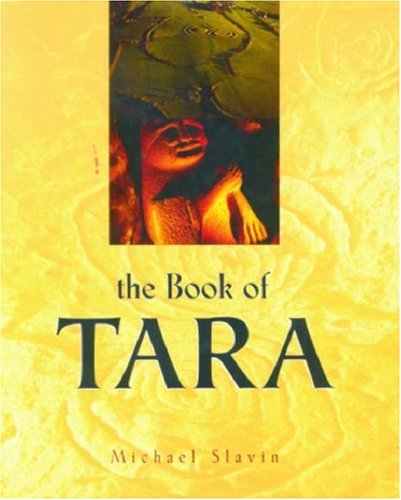
The Book of Tara by Michael Slavin is written by a local historian with a lifelong connection to the hill. It examines why the Hill of Tara became Ireland's symbolic capital, weaving together archaeology, early literature, and the legends that still shape how visitors understand the ridge.
Slavin guides the reader through the major monuments on the summit, from the Neolithic Mound of the Hostages to the royal enclosures, the Lia Fáil and the associations with St Patrick and the High Kings. He also traces Tara's later history, including its place in political memory and the events of 1798.
For anyone planning a visit to Tara, the book offers a readable companion to the landscape itself, a blend of factual account and affection for one of the most evocative sites in the Boyne Valley.
Purchase at Amazon.com or Amazon.co.uk